
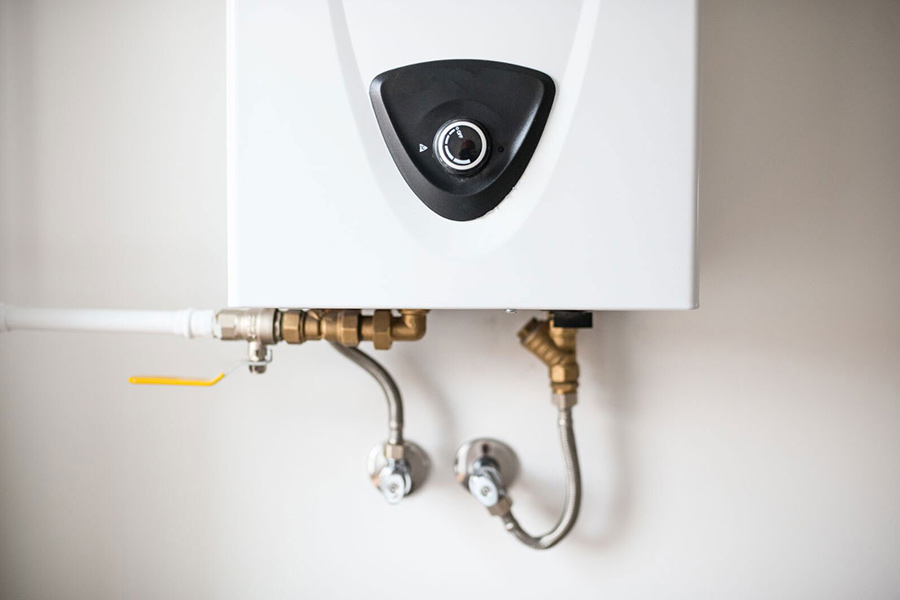
If you’re looking to upgrade to a high-efficiency tankless water heater in King George, VA, you’re making a wise choice for your home’s energy efficiency. First, you’ll want to understand the benefits and assess your hot water needs. Then, gather the necessary tools and materials before diving into the installation process. But before you start, let’s examine what you need to reflect on to guarantee a successful installation.
Understanding the Benefits of a Tankless Water Heater
When considering upgrading your home’s water-heating system, a tankless water heater offers several compelling advantages.
First, these systems provide hot water on demand, so you never run out, even during peak usage times. This efficiency means you can enjoy long showers without worrying about the water getting cold.
In addition, tankless water heaters are more energy-efficient than traditional tank models, leading to lower utility bills. Since they only heat water as needed, they can save you money in the long run.
They likewise take up less space, making them ideal for smaller homes or apartments.
Plus, with a lifespan of over 20 years, you’ll spend less time and money on replacements. Furthermore, our expert installation team ensures a seamless transition to a tankless system, making the upgrade process hassle-free.
Evaluating Your Home’s Requirements
Before making the switch to a tankless water heater, it’s essential to evaluate your home’s specific requirements. This guarantees you choose the right system for your needs.
Here’s what you should consider:
- Hot Water Demand: Calculate the peak hot water usage in your home. Think about how many appliances will run simultaneously.
- Flow Rate: Determine the necessary flow rate, measured in gallons per minute (GPM), to meet your household’s demands during peak times.
- Fuel Type: Identify your available fuel sources, such as natural gas, propane, or electricity, as this will influence your heater choice.
- Space Availability: Assess where you plan to install the heater. Tankless heaters can be wall-mounted, but you still need to guarantee adequate ventilation and space. Additionally, consider the benefits of energy-efficient models that can lower your energy bills and improve performance.
Gathering Necessary Tools and Materials
Gathering the necessary tools and materials is crucial for a smooth installation of your tankless water heater. Start by collecting basic tools, such as a wrench, screwdriver, and pipe cutter.
You’ll also need a drill, Teflon tape, and a level to ensure everything fits snugly and functions appropriately.
Next, gather your materials, including the tankless water heater unit itself, flexible gas lines, and PVC pipes for venting.
Don’t forget any connectors or fittings that may be required for your specific model. If you’re replacing an old unit, have a bucket handy to catch any residual water.
Finally, make sure you have safety gear, such as gloves and goggles. Additionally, ensure you are aware of expert tankless water heater repair services available in case you encounter issues during installation.
Preparing all these tools and materials ahead of time will save you from unnecessary trips to the store during installation, allowing you to focus on getting your new system up and running efficiently.
Step-by-Step Installation Process
With your tools and materials ready, you’re all set to install your tankless water heater. Follow these steps for a smooth process:
- Turn off the water and power supply: Guarantee safety by shutting off both the water and electrical or gas supply to your existing water heater.
- Mount the unit: Choose a suitable location and secure the heater to the wall, making sure it’s level and easily accessible.
- Connect water lines: Use the appropriate fittings to connect the cold water inlet and hot water outlet to your new heater, guaranteeing tight seals to prevent leaks.
- Install venting: If your unit requires venting, connect the vent pipe according to the manufacturer’s instructions, guaranteeing proper clearance and compliance with local codes. It’s important to note that common issues may arise if the installation is not performed correctly.
Once you complete these steps, you can restore the water and power supply and test your new tankless water heater. Enjoy your efficient hot water!
Maintenance Tips for Optimal Performance
To keep your tankless water heater running efficiently, regular maintenance is essential. Start by descaling the unit at least once a year to prevent mineral buildup, especially if you have hard water. You can use a descaling solution for this process, following the manufacturer’s instructions.
Next, check the air filter regularly and clean or replace it as needed to guarantee proper airflow. Inspect the venting system for any blockages, as these can affect performance and safety.
Additionally, monitor the water temperature and pressure settings to optimize performance. If you notice any unusual sounds or leaks, it’s best to contact a professional, such as Professional Plumbing Solutions Inc., for prompt assistance.
Finally, consider joining their Club Membership program for proactive maintenance and exclusive savings.
These steps can help extend the lifespan of your tankless water heater and keep it running smoothly.

Conclusion
Installing a high-efficiency tankless water heater can transform your home’s hot water system, much like upgrading from a flip phone to a smartphone. You’ll enjoy endless hot water while saving on energy bills. Just as a smartphone connects you to the world, a properly installed tankless heater keeps your home comfortable and efficient. With the proper preparation and care, you’ll guarantee it runs smoothly for years, making your investment truly worth it. Happy heating!