
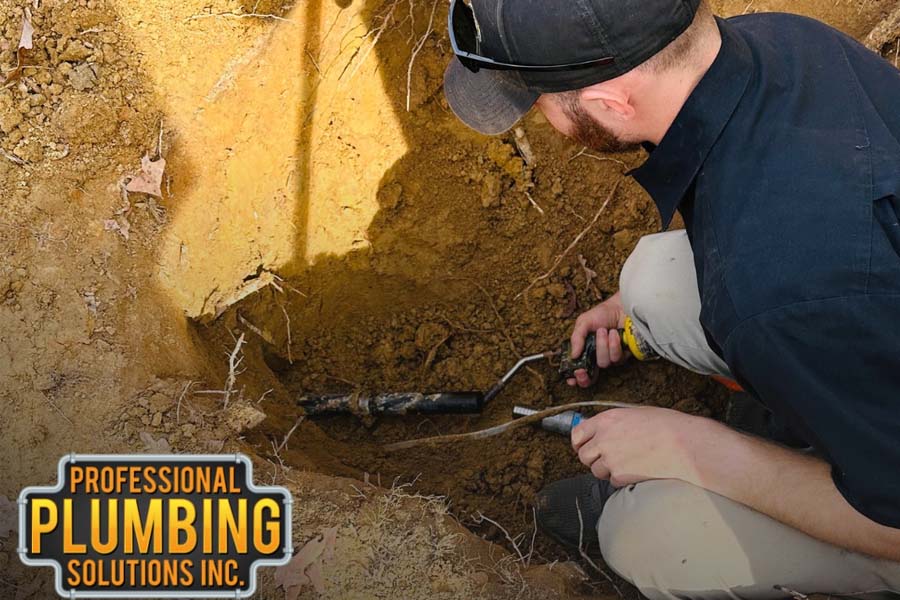
Just like a well-oiled machine, your plumbing system needs regular care to function smoothly. In King George, VA, water line leaks can sneak up on you if you’re not vigilant. Implementing proactive measures is key to preventing costly repairs later. So, what steps can you take to guarantee your home stays leak-free? Let’s investigate some smart tips that can make a significant difference.
Understand the Common Causes of Water Line Leaks
Understanding the common causes of water line leaks helps you take proactive steps to prevent them.
Aging pipes often lead to leaks, especially when made of materials like galvanized steel or polybutylene. These pipes corrode or crack over time, allowing water to escape.
Moreover, high water pressure can stress your plumbing system, leading to joint and fitting failures. Tree roots can likewise intrude, breaking through water lines as they search for moisture.
Temperature fluctuations can create pressure changes, leading to cracks in pipes if they freeze and thaw repeatedly.
Finally, improper installation or poor repairs can leave you vulnerable to future leaks. By recognizing these issues early, you can address them before they lead to significant damage.
Additionally, understanding the importance of timely repairs can help you take action before minor issues escalate into major problems. Staying informed enables you to maintain a safe, efficient plumbing system, protecting your home and wallet in the long run.
Regularly Inspect Your Plumbing System
Regularly inspecting your plumbing system is essential for catching potential issues before they escalate into costly repairs.
Start by checking visible pipes for any signs of leaks, corrosion, or wear. Make sure to look under sinks and around appliances, such as dishwashers and water heaters. Don’t forget to inspect your faucets and showerheads for drips, which can indicate underlying problems.
Next, examine your water supply lines and drainage systems. Listen for unusual sounds, such as gurgling or hissing, which could signal a blockage or a leak. Pay attention to water stains on walls or ceilings, as these can indicate hidden leaks.
Set a schedule for these inspections—monthly or quarterly works well. If you notice anything concerning or if you’re unsure, don’t hesitate to reach out to a professional. Additionally, consider utilizing preventative maintenance services to keep your plumbing in optimal condition.
With a proactive approach, you can maintain your plumbing system and prevent costly issues before they arise.
Monitor Water Pressure Levels
Monitoring water pressure levels is crucial for maintaining a healthy plumbing system. High water pressure can cause stress on your pipes, leading to leaks and bursts.
To keep your plumbing in check, invest in a pressure gauge. You can easily attach it to an outdoor spigot or a faucet. Your water pressure should be between 40 and 60 psi. If you notice readings above this range, it’s time to take action.
Check for any signs of leakage around your home, as high pressure can worsen existing issues. If you find that pressure is consistently high, consider installing a pressure-reducing valve to alleviate the strain on your pipes.
Regularly monitoring your water pressure not only helps prevent leaks but also guarantees the longevity of your plumbing system. Additionally, maintaining soft water quality can further reduce the risk of plumbing issues caused by mineral buildup. If you’re unsure about your water pressure or need assistance, reach out to a professional plumbing service for expert advice.
Insulate Pipes in Cold Areas
One effective way to prevent water line leaks is by insulating pipes in cold areas of your home. When temperatures drop, unprotected pipes are at risk of freezing and bursting, leading to costly repairs and water damage. By adding insulation, you create a protective barrier that keeps your pipes warm and functioning properly.
You can use foam sleeves or fiberglass insulation to cover pipes in crawl spaces, attics, and exterior walls. Make sure to seal any gaps or openings where cold air might enter, to improve the insulation’s effectiveness. Don’t forget about faucets; letting them drip slightly during extreme temperatures can likewise help prevent freezing.
Regularly check your insulation for wear and tear, replacing it as needed. Taking these simple steps can save you from major headaches down the line, ensuring your plumbing system remains reliable all winter long. Additionally, well pump malfunctions can exacerbate water supply issues, making it even more crucial to maintain your plumbing.
Use High-Quality Materials for Repairs
When it comes to fixing water line leaks, using high-quality materials can make all the difference.
Invest in durable pipes, select reliable fixtures, and use high-quality sealants to ensure long-lasting repairs.
These choices not only improve the integrity of your plumbing system but also save you money in the long run.
Invest in Durable Pipes
Investing in durable pipes is crucial for preventing water line leaks and ensuring the longevity of your plumbing system. By choosing high-quality materials, you reduce the risk of corrosion and damage that can lead to leaks.
Consider options like PEX or copper pipes, which offer excellent resistance and durability. While the initial cost may be higher, the long-term benefits far outweigh the expense, saving you money on repairs and water bills.
Moreover, durable pipes can withstand temperature fluctuations and pressure changes, making them ideal for your home’s plumbing needs.
Consult with a professional to determine the best materials for your specific situation, ensuring a reliable and efficient plumbing system for years to come.
Choose Reliable Fixtures
Selecting reliable fixtures is essential for maintaining a leak-free plumbing system. By choosing high-quality faucets, valves, and connectors, you significantly reduce the risk of leaks.
Don’t settle for cheap alternatives that might wear out quickly or break under pressure. Instead, invest in fixtures made from durable materials like brass or stainless steel, which are less likely to corrode or fail over time.
Furthermore, consider the reputation of the brands you’re buying from. Trusted manufacturers often provide warranties, giving you peace of mind.
Utilize Quality Sealants
Choosing reliable fixtures is just one part of preventing waterline leaks; the materials you use for repairs are equally important.
When it comes to sealants, always opt for high-quality products designed specifically for plumbing applications. Cheap sealants may seem tempting, but they can lead to leaks down the line. Invest in trusted brands that offer durability and flexibility, ensuring a strong bond that withstands pressure and temperature changes.
Correctly applying these sealants will likewise help create a watertight seal, reducing the risk of future issues. Remember, using quality sealants not only protects your plumbing system but also saves you from costly repairs in the long run.
Schedule Routine Maintenance Checks
While many homeowners might overlook the importance of routine maintenance checks, scheduling these inspections can be a game-changer for preventing water line leaks.
Regular assessments allow you to identify potential issues before they escalate into costly repairs. When you schedule these checks, a professional can examine your water lines for wear and tear, corrosion, or any signs of leaks that might go unnoticed.
Be Mindful of Landscaping Near Water Lines
When planning your landscaping, it’s crucial to contemplate where your water lines are located. Avoid planting large trees or shrubs with extensive root systems near these lines, as they can cause significant damage over time. Instead, opt for shallow-rooted plants that won’t interfere with your plumbing infrastructure.
Additionally, consider the layout of your irrigation system. If your sprinklers are too close to water lines, it might lead to excess moisture and potential erosion. Regularly inspect your landscaping for any signs of soil movement or unusual plant growth, which could indicate problems below the surface.
Finally, keep in mind that heavy landscaping equipment can inadvertently damage water lines. Always mark the location of your water lines before starting any major landscaping project.
Know the Signs of Potential Leaks
Recognizing the signs of potential leaks can save you from costly repairs down the line.
Start by keeping an eye on your water bill; if it spikes unexpectedly, it might indicate a leak.
Listen for the sound of running water when everything’s turned off—this could signal a hidden leak.
Check for damp spots on walls, floors, or ceilings, as moisture may indicate a problem.
You should also inspect your yard for unusually lush patches of grass, which may be the result of a leaking underground pipe.
Don’t forget to monitor your water meter; if it changes while you’re not using water, you may leak.
Finally, be mindful of any musty odors or mold growth in your home, as these can indicate prolonged moisture exposure.
Educate Your Family About Water Conservation
Water conservation is critical for both your wallet and the environment, so it’s essential to educate your family about its significance.
Start by sharing simple practices, such as turning off the tap while brushing teeth or fixing leaks promptly.
These small changes can make a big difference in preserving our most indispensable resource.
Importance of Water Conservation
Educating your family about the importance of water conservation can significantly reduce water waste and lower utility bills. When everyone understands why conserving water matters, they’re more likely to take action.
Explain that water is a precious resource essential for our survival, and wasting it can lead to higher costs and environmental harm. Encourage conversations about daily habits, like turning off the tap while brushing teeth or taking shorter showers.
Share how every drop counts, especially during dry spells. By nurturing a culture of conservation at home, you’re not just saving money; you’re additionally teaching responsibility and care for the environment.
Together, you can make a positive impact on your community and future generations.
Simple Conservation Practices
Small changes in daily habits can considerably reduce water usage at home. Start by turning off the tap while you brush your teeth or shave.
Encourage your family to take shorter showers; even a minute less can save gallons of water. Fix leaks promptly—check faucets and toilets regularly.
Use a broom instead of a hose to clean driveways and sidewalks. Collect rainwater in barrels for watering plants.
Educate everyone about running full loads in the dishwasher and washing machine. Install low-flow showerheads and faucet aerators to minimize water flow.
Finally, share the importance of these practices; awareness promotes responsibility. By working together, you can create a culture of conservation that benefits your family and the environment.
Partner With a Trusted Plumbing Professional
When you’re facing a water line leak, partnering with a trusted plumbing professional can make all the difference. A reliable expert, like Professional Plumbing Solutions Inc., brings over 30 years of industry experience to the table. They can quickly identify potential issues before they escalate, ensuring your plumbing system remains robust.
With their emergency services, you won’t have to worry about leaks disrupting your life. Furthermore, their commitment to high-quality tools and materials guarantees lasting repairs. You can likewise take advantage of their financing options through GreenSky, making it easier to afford necessary fixes.
Joining their Club Membership program means you’ll receive proactive maintenance and exclusive savings, keeping your system in check. Trust, integrity, and customer satisfaction are at the heart of their service, so you know you’re in good hands.
Don’t wait until a leak becomes a crisis—partner with a professional today.
Conclusion
By following these smart tips, you can stop water line leaks before they start—after all, who wouldn’t want to save their home from a soggy disaster? Ironically, a little attention can prevent a flood of headaches later on. So, take a moment to inspect your plumbing, monitor your water pressure, and educate your family. You might just find that the most proactive step is to adopt prevention, rather than waiting for a waterfall to remind you.