
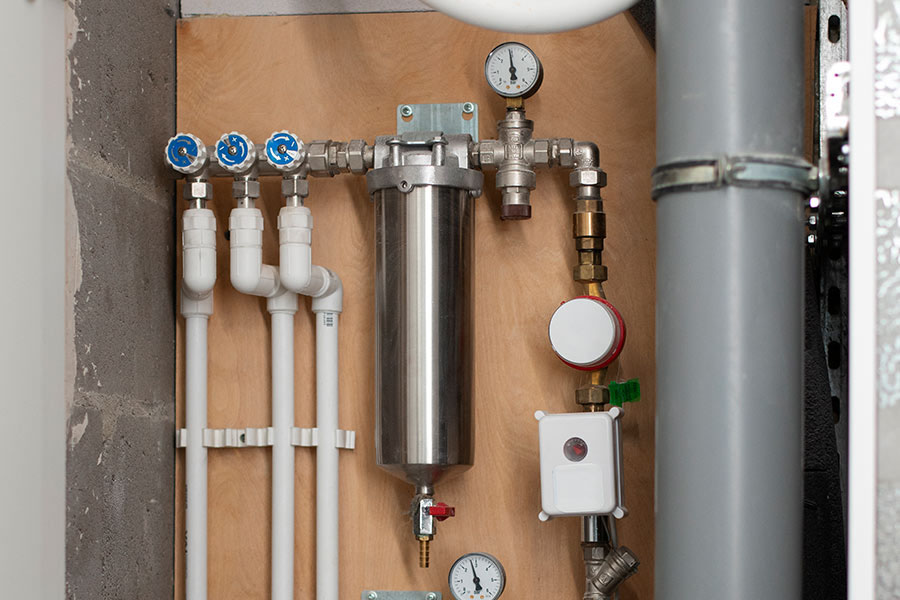
It’s interesting how many homeowners overlook their water heaters until something goes wrong. Maintaining your water heater is vital for ensuring it runs efficiently and lasts longer. Simple tasks like checking the temperature setting or flushing the tank can make a big difference. But what about the other essential maintenance steps? You might be surprised at how a little attention can prevent costly repairs and enhance your hot water supply.
Check the Temperature Settings Regularly
It’s important to check your water heater’s temperature settings regularly to guarantee peak performance and safety.
Most experts recommend setting your water heater to 120°F. This temperature not only keeps your water hot enough for daily use but also minimizes the risk of scalding and reduces energy consumption.
To check the temperature, simply turn on a hot water tap and use a cooking thermometer to measure the water’s heat. If it’s higher than 120°F, adjust the thermostat on your heater accordingly.
Regular checks can also help you identify any irregularities that may signal maintenance needs. If you notice fluctuations in temperature or if the heater struggles to maintain the set level, it might be time to call in a professional.
Keeping your water heater’s temperature in check is a simple yet effective way to enhance efficiency and promote safety in your home. Additionally, maintaining the correct settings can contribute to lower energy bills due to the advanced technology found in modern water heaters.
Flush the Tank to Remove Sediment
Flushing the tank of your water heater is essential for maintaining its efficiency and prolonging its lifespan, especially since sediment buildup can lead to various issues. Over time, minerals like calcium and magnesium settle at the bottom of the tank, reducing heating efficiency and potentially causing damage.
To keep your water heater running smoothly, you should flush the tank at least once a year.
Start by turning off the power supply or gas to the heater and shutting off the cold water supply. Connect a hose to the drain valve, directing it to a nearby drain or outside. Open the valve and let the water flow out, allowing sediment to wash away.
After a few minutes, close the valve, remove the hose, and turn the water supply back on. Once the tank is full, restore power or gas.
This simple maintenance step can help guarantee your water heater operates efficiently for years to come. Additionally, regular descaling can prevent mineral buildup that affects performance and efficiency.
Inspect the Anode Rod for Corrosion
One essential maintenance task you shouldn’t overlook is inspecting the anode rod for corrosion. This vital component helps prevent rust and extends your water heater’s lifespan.
Here’s how to tackle this inspection effectively:
- Turn Off the Power and Water Supply: Confirm your water heater is safe to work on by switching off the power and shutting off the water supply.
- Remove the Anode Rod: Use a socket wrench to unscrew the anode rod from the top of the tank. It might be a bit tight, so don’t hesitate to apply some force.
- Check for Corrosion: Inspect the rod for significant corrosion or depletion. If it’s less than ½ inch thick or heavily corroded, it’s time to replace it.
Regularly checking the anode rod can save you money and hassle down the road, keeping your water heater running smoothly. Additionally, ensuring the anode rod is in good condition can help prevent major water heater issues that may require professional repair services.
Test the Pressure Relief Valve
Testing the pressure relief valve is an essential step in maintaining your water heater’s safety and efficiency. This valve helps prevent excessive pressure buildup, which can lead to leaks or even explosions.
To test it, locate the valve, usually found on the top or side of the tank. Place a bucket underneath to catch any water that may escape.
Pull the lever on the valve to release a small amount of water. You should hear a hissing sound as pressure escapes. If water flows freely and the valve reseats properly, it’s functioning correctly. If it doesn’t, or if you notice any leaks, it’s time to replace the valve.
Make this test part of your regular maintenance routine, ideally every six months. Keeping your pressure relief valve in good working order guarantees your water heater operates safely and efficiently, protecting your home and family. Additionally, ensuring your water heater is regularly maintained can improve its lifespan, making it as efficient as the latest tankless systems available in King George, VA.
Schedule Professional Maintenance Annually
Scheduling professional maintenance annually is essential for keeping your water heater running efficiently and extending its lifespan.
Regular check-ups help catch potential issues before they escalate, saving you time and money down the road.
Here are three key benefits of scheduling maintenance with experts:
- Expert Inspection: Professionals can identify wear and tear that you might overlook, ensuring your system operates smoothly.
- Optimal Performance: Routine maintenance helps your water heater run at peak efficiency, reducing energy costs and improving hot water availability.
- Prolonged Lifespan: Regular servicing can extend the life of your unit, delaying costly replacements.
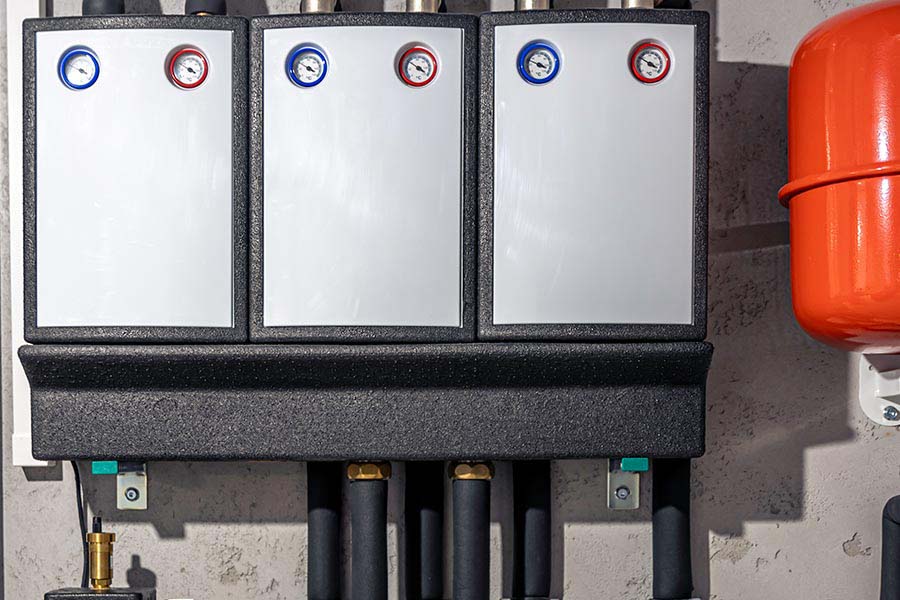
Conclusion
By following these essential water heater maintenance tips, you can keep your system running smoothly and avoid costly repairs down the line. Regular checks and upkeep not only enhance performance but also extend the lifespan of your unit. Remember, an ounce of prevention is worth a pound of cure. So, take the time to invest in your water heater, and you’ll enjoy reliable hot water when you need it most, all while saving money on energy bills.